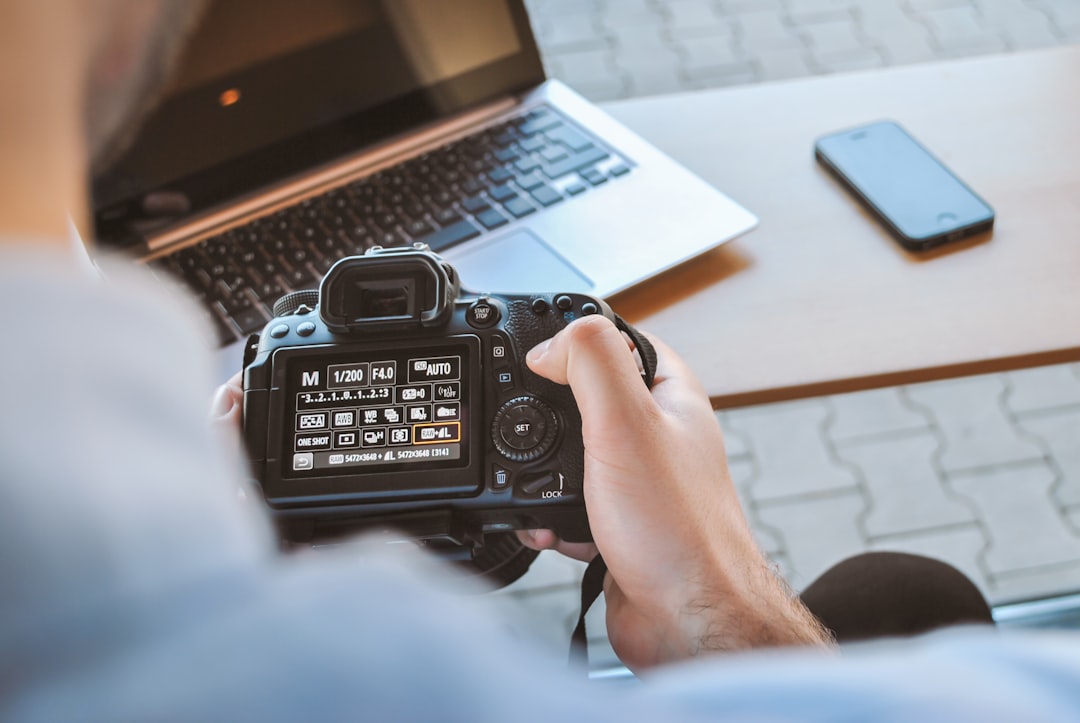

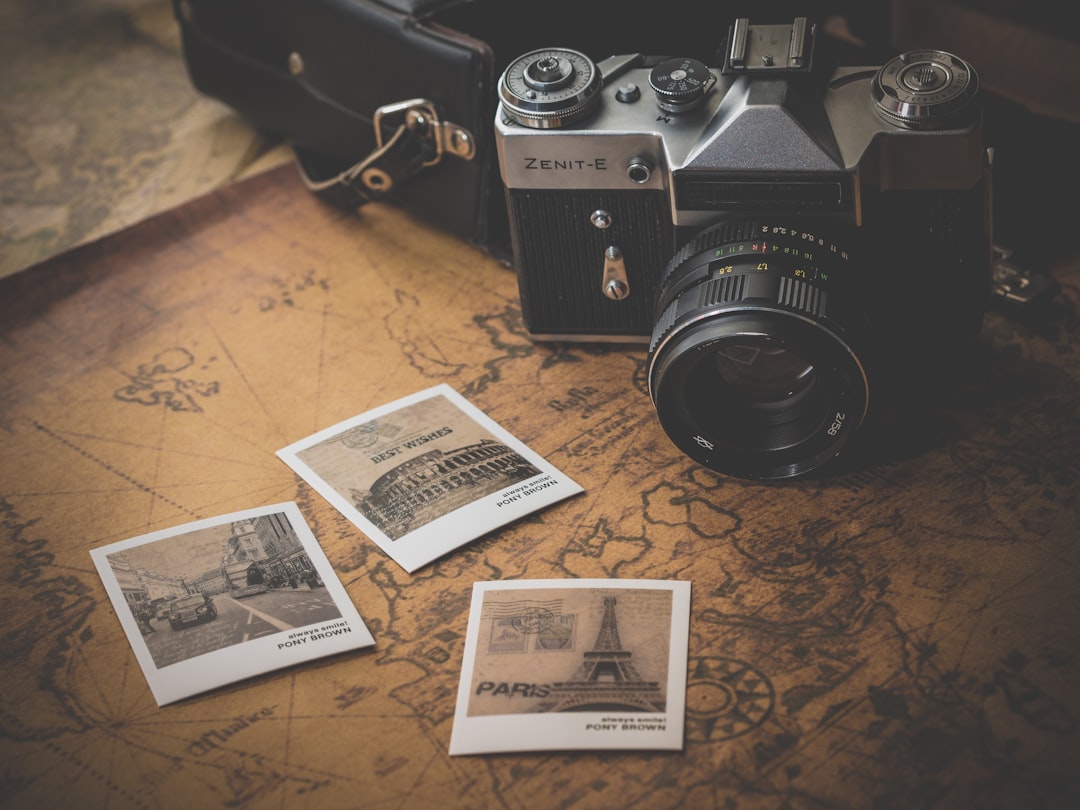
In an era where sustainability is not just a trend but a necessity, photographers around the world are beginning to look at their gear with an eco-conscious eye. While capturing the perfect shot has always been paramount, the question now arises: Can we do so without leaving a carbon footprint the size of a DSLR camera? Welcome to the world of eco-friendly photography equipment—a space where innovation meets responsibility. Let’s dive into how you can make your photography kit greener without compromising on quality. **1. Rethink and Reuse:** Before you dash to the store to purchase the latest model, consider whether you really need new equipment. Sometimes, upgrading is a matter of marketing rather than necessity. Second-hand cameras and lenses are a great way to not only save money but also reduce waste. Platforms like eBay, Craigslist, or specialized camera forums can be treasure troves for quality used gear. **2. Solar-Powered Gear:** The sun isn’t just for beautiful golden hour shots. Solar-powered chargers for your camera batteries can be a game-changer, especially for photographers who love the great outdoors. Portable solar panels are now compact and efficient, making them a feasible option for keeping your devices juiced up without relying on traditional electricity. **3. Eco-Friendly Materials:** Brands are increasingly aware of the demand for sustainable options. Look for camera bags made from recycled materials, such as those from brands like Lowepro or Think Tank, which offer products made with recycled fabric. Even tripods are joining the movement, with options crafted from bamboo, a sustainable and durable alternative to metal or plastic. **4. Digital Over Disposable:** The shift from film to digital photography is, in itself, a move towards sustainability. While the charm of film photography is undeniable, digital cameras eliminate the need for film processing chemicals and disposable single-use items. If you’re a die-hard film fan, consider developing your own film using eco-friendly chemicals. **5. Green Business Practices:** For professional photographers, adopting green business practices can further extend your commitment to sustainability. This includes offering digital proofs and albums rather than printed ones, using cloud storage instead of physical hard drives, and encouraging clients to choose digital downloads over physical prints. **6. Conscious Composing:** Beyond equipment, the very act of taking a photograph can be approached with an eco-friendly mindset. Respect nature when you shoot. Don’t trample flowers or disturb wildlife for the sake of a photo. Leave no trace behind. **7. Educational Initiatives:** Many organizations offer workshops and courses on sustainable photography practices. These can be invaluable for learning new techniques and networking with other like-minded photographers. By taking these steps, photographers can not only reduce their environmental impact but also inspire others to follow suit. Every small action counts, and collectively, they can lead to significant positive changes for our planet. Remember, capturing the world’s beauty doesn’t have to come at the expense of the environment. It’s time for photographers to lead the charge, camera in one hand and a conscience in the other.
Unveiling the Hidden Gems: The Budget-Friendly Photography Equipment Revolution
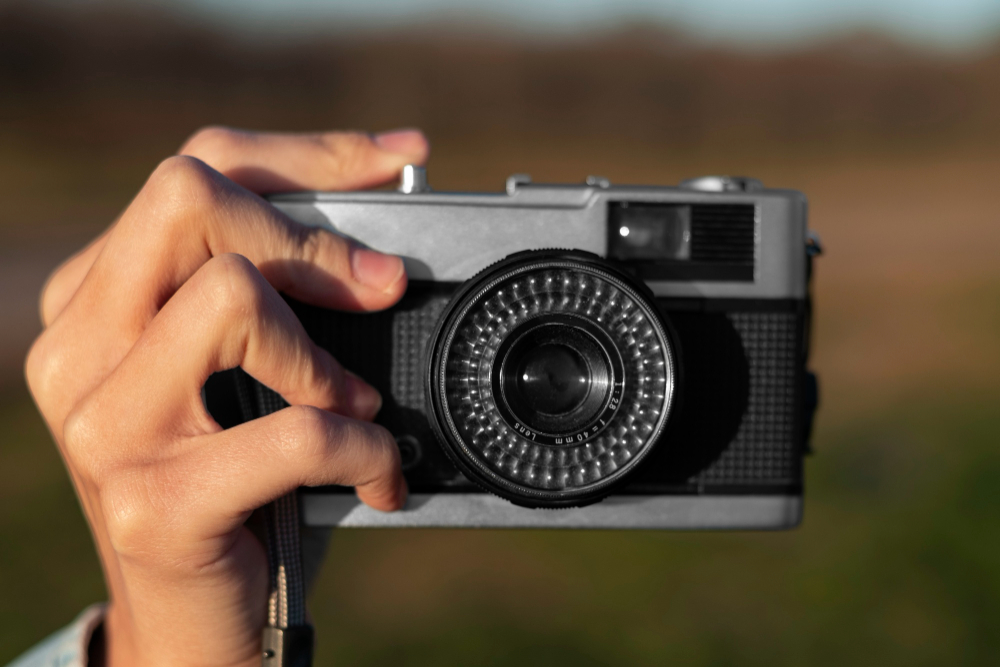
In the world of photography, there’s a myth that only the most expensive equipment can capture the perfect shot. However, as technology advances and creativity knows no bounds, budget-friendly options are rising to the forefront, allowing enthusiasts to dive into photography without breaking the bank. This revolution isn’t just about saving money; it’s about exploring innovative tools that offer great value and performance. The first step into budget-friendly photography starts with the camera body. Brands like Canon and Nikon offer entry-level DSLRs that deliver impressive image quality and manual controls for under $500. These cameras provide a robust platform for learning the basics of photography without the intimidating price tag. Mirrorless options, such as the Sony Alpha series, also offer lightweight and compact designs, perfect for travel photographers or those looking to upgrade from their smartphones. Lenses are another area where photographers can find budget-friendly alternatives. Third-party manufacturers like Sigma and Tamron produce high-quality lenses that often rival their more expensive counterparts. These lenses cover a wide range of focal lengths and aperture sizes, ensuring photographers can capture everything from sweeping landscapes to intimate portraits. When it comes to lighting, natural light is always free and, with the right techniques, can be harnessed to create stunning images. For those needing more control, budget-friendly lighting kits are available. LED panels and reflectors offer portable solutions for photographers who need to manipulate light without spending a fortune. Accessories also play a significant role in photography. Tripods, memory cards, and camera bags can quickly add up in cost, but affordable options exist. Brands like AmazonBasics offer functional and reliable gear that doesn’t sacrifice quality. Moreover, DIY solutions, such as creating your own light box or reflector using household items, can further reduce costs while encouraging creativity. In the realm of software, open-source editing programs like GIMP and Darktable provide powerful tools for post-processing. These programs may lack some features found in industry-standard software, but they offer an excellent starting point for photographers on a budget. For those seeking more advanced capabilities, Adobe offers affordable monthly subscriptions to Lightroom and Photoshop, ensuring photographers can achieve professional-level edits without a significant upfront investment. As we embrace the budget-friendly photography movement, it’s essential to remember that creativity and skill outweigh the importance of expensive gear. With the right mindset and tools, stunning photography is within reach for everyone. Whether you’re a budding photographer or a seasoned pro looking to explore new equipment without splurging, the world of budget-friendly photography offers endless opportunities to learn, grow, and capture the world through your lens. So, if you’re ready to embark on your photography journey, remember that the magic lies not in the cost of your equipment but in your vision and ability to see the beauty in the world around you. Let the budget-friendly revolution inspire you to capture moments and tell stories in your unique way.
DIY Photography: Creating Your Own Camera Accessories at Home
Photography is an art form that thrives on creativity and innovation. While high-end equipment can offer precision and quality, there’s a certain charm and satisfaction in crafting your own camera accessories. Not only does it save money, but it also allows you to personalize your gear to fit your specific needs. Let’s dive into the world of DIY photography and explore how you can enhance your shooting experience with homemade tools. One of the easiest DIY projects is creating your own lens hood. Lens hoods are essential for preventing lens flare and protecting your lens from the elements. With just a few materials, like cardboard, tape, and some black paint, you can craft a functional and unique lens hood. There are plenty of templates available online to guide you in making one that fits your specific lens size. Another fun project is a homemade reflector. Reflectors are crucial for manipulating light and filling in shadows. You can make one using a piece of cardboard covered with aluminum foil. For a more professional look, attach the foil to a large, sturdy piece of poster board and secure the edges with tape. This simple tool can dramatically improve your portrait photography by providing soft, even lighting. If you’re into macro photography, consider making your own macro lens. This might sound daunting, but it’s easier than you think. Start with an old lens from a point-and-shoot camera or even a magnifying glass. Secure it to the front of your existing lens with a step-up ring or some clever DIY contraption using duct tape. Suddenly, you’ll be able to capture incredible close-up details of everyday objects. For those looking to add a creative flair to their shots, a homemade filter can work wonders. Try using colored cellophane or a piece of clear plastic with vaseline applied for a dreamy, soft-focus effect. Attach these to the front of your lens with an elastic band or a filter holder made from cardboard. Lastly, let’s talk about stabilizers. A tripod is a must-have for any photographer, but you don’t need to spend a fortune on one. With some PVC pipe, a few connectors, and a little ingenuity, you can create a stable base for your camera that rivals commercial options. This is perfect for those long-exposure shots or time-lapse projects. DIY photography projects not only provide practical benefits but also deepen your understanding of the technical aspects of photography. You’ll learn how different accessories affect your images and gain a greater appreciation for the craftsmanship involved in photography. Plus, there’s the added bonus of showing off your unique creations to fellow photographers, potentially inspiring them to embark on their own DIY journeys. So, grab your toolbox, let your imagination run wild, and start building your personalized photography kit. You’ll be surprised at how a little ingenuity can lead to stunning results.